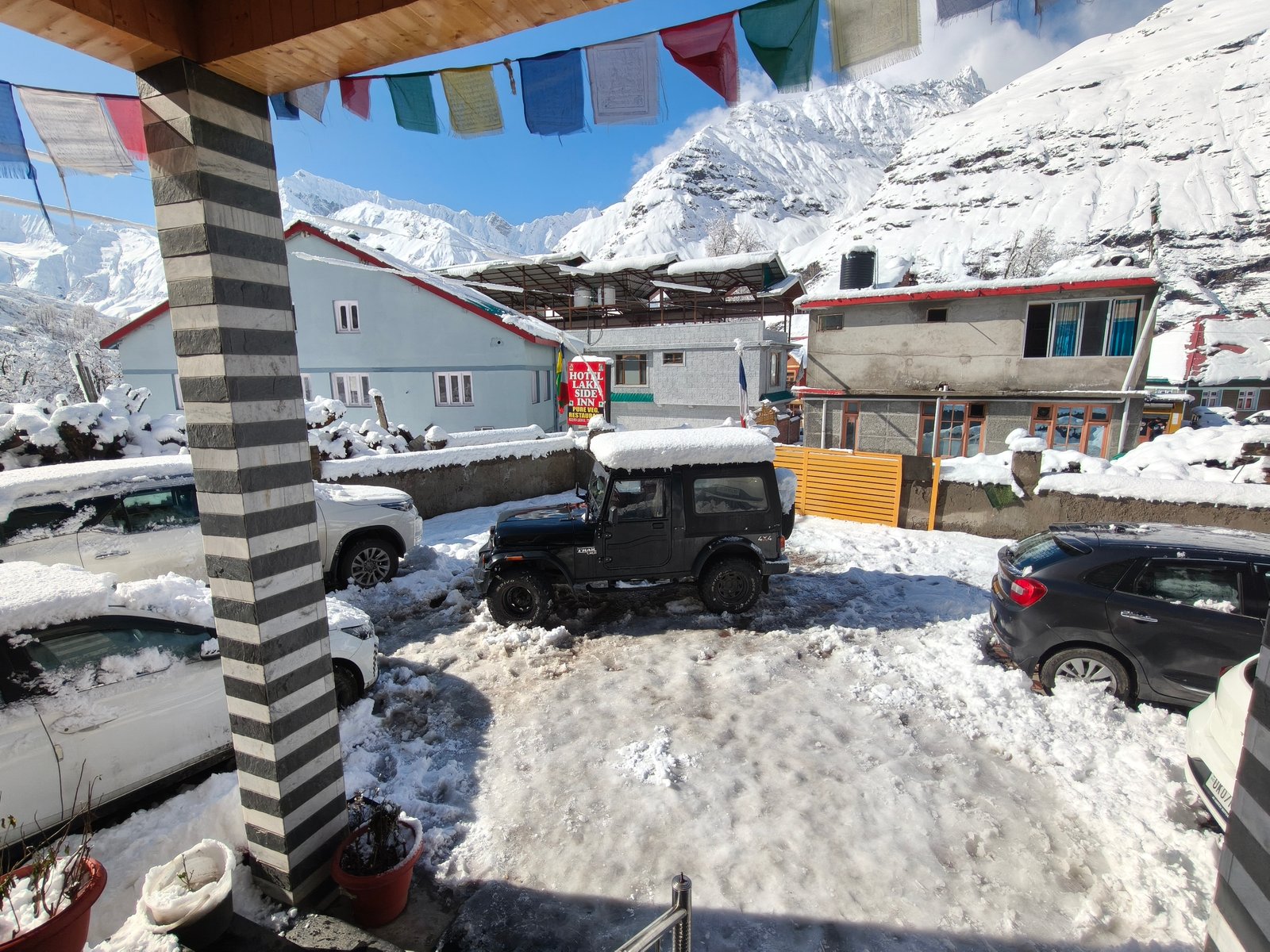
Sissu in monsoon (July–August) is surprisingly dry — Lahaul sits in a rain shadow behind the main Himalayan range, so Sissu gets far less rain than Manali on the other side of the Atal Tunnel. The valley itself is safe, lush and green, with the waterfall at full force. The real monsoon risk is not in Sissu but on the Manali side, where heavy rain can trigger landslides and road-clearance delays. The tunnel usually stays open — but you should travel with a buffer day and check conditions before you set off.
Quick answer: is Sissu safe in the monsoon?
Yes — Sissu itself is generally safe and pleasant in the monsoon, because it lies in a rain-shadow valley that escapes the worst of the July–August downpours. The village, on the Lahaul valley floor at about 3,100 m (10,170 ft), stays green and mild while the monsoon hammers the hills to the south. What you do need to respect is the journey: the Manali side of the Atal Tunnel gets heavy rain, and that stretch can see landslides, rockfall and temporary road blocks that delay travel.
So the honest picture is this: the destination is low-risk, the road can be the wild card. The Atal Tunnel usually stays open and keeps Sissu reachable, but you should build a buffer day into your plans, avoid tight onward connections, and check live conditions before you leave. Get that right, and monsoon is one of the quieter, greener, more atmospheric times to see the valley. For the wider seasonal picture, see our Sissu weather month by month guide.
Why Sissu stays dry when Manali is soaked
The reason comes down to geography. The main Himalayan range — the wall of high peaks the Atal Tunnel burrows through — blocks most of the monsoon clouds pushing up from the plains. Those clouds dump their rain on the southern, Manali-facing slopes and arrive over Lahaul largely wrung out. This puts Sissu and the rest of Lahaul in a rain shadow: the same weather system that floods Manali often leaves Sissu under broken cloud with only light showers.
It’s a genuinely striking contrast. You can drive out of grey, dripping Manali, pass through the tunnel, and emerge into a Lahaul valley that’s brighter, drier and cooler on the same afternoon. This is exactly what makes Sissu an appealing monsoon refuge for travellers who want mountains without the relentless rain of the more famous hill stations. It is not a desert — showers do happen — but the volume is a fraction of what falls just a few kilometres south.
Weather in July & August
Monsoon-season weather in Sissu is mild, green and comfortable. Daytime temperatures typically sit around 12–20°C — warm enough for easy walking, cool enough to be pleasant — and the nights stay comfortably cool rather than cold. Rainfall is light and intermittent compared with the plains or Manali, and between showers the valley often clears to bright, washed-clean air.
This is the greenest the valley gets all year. Fed by the last of the snowmelt and the occasional shower, the meadows and slopes turn vivid green, wildflowers appear, and the Sissu Waterfall (Palden Lhamo Dhar) thunders at its fullest. Treat the figures below as a guide, not a forecast — mountain weather is always variable.
| Aspect | Sissu (Lahaul side) | Manali side (for contrast) |
|---|---|---|
| Rainfall | Low — light, intermittent showers | Heavy, frequent monsoon rain |
| Day temp | ~12–20°C, mild | Warm & humid |
| Landslide risk | Low in the valley itself | Elevated — the main travel concern |
| Scenery | Lush green, full waterfall, clear spells | Cloud & rain-bound |
The takeaway: pack a light rain shell for the odd shower, but don’t expect washed-out days in Sissu itself. The weather here is one of the season’s pleasant surprises.
The real risk: the road on the Manali side
If there is one thing to plan carefully around in monsoon, it is the Manali–Atal Tunnel approach, not Sissu. Heavy rain on the southern slopes can loosen hillsides above the highway between Manali and the tunnel’s south portal, causing landslides, rockfall and mud on the road. When that happens, traffic is held while crews clear the debris, and a normally 1–1.5-hour drive can stretch out or pause for hours.
Two reassurances balance this. First, the Atal Tunnel itself usually stays open through the monsoon — it runs under the mountain, so it isn’t exposed to the old Rohtang-pass problems of the past. Second, road agencies are well practised at clearing monsoon blocks on this busy route, so delays are usually measured in hours, not days. The distances don’t change — Sissu is around 38–40 km from Manali and just ~12 km from the tunnel’s north portal — but your timing can. Always check our live is Sissu open right now page and the latest local advisories before you commit to a travel day.
How to travel to Sissu safely in monsoon
With a little planning, a monsoon trip to Sissu is very manageable. Our honest, on-the-ground advice:
- Keep a buffer day. Don’t schedule a flight or a critical onward connection for the same day you leave Sissu — a road delay shouldn’t cost you a booking. This single habit removes most monsoon stress.
- Travel in daylight. Cross the landslide-prone Manali stretch in the morning, when visibility is best and any blocks are cleared faster. Avoid night driving in the rain.
- Check conditions the day before and the morning of. Ask us, check advisories, and use our live status page rather than assuming.
- Fuel up in Manali. There is no petrol pump in Sissu; the next one toward Keylong is at Tandi. Start with a full tank.
- Carry a light rain shell and grippy shoes, keep some snacks and water in the car for a possible wait, and don’t rush a held-up road — patience is the safest tool in the hills.
- Message us before you set out. As locals, we’ll give you a straight read on whether it’s a good day to travel. Contact us and we’ll help you plan the timing.
Things to do in monsoon
The green season has its own quiet rewards, and with the summer peak crowds thinning, the valley feels calm. Good ways to spend your days:
- Sissu Waterfall: at its most powerful, swollen with snowmelt and rain — a genuine monsoon highlight.
- Green valley walks & the lake: lush meadows and easy strolls between showers.
- Photography: dramatic clouds swirling around the peaks, vivid greens and rainbows after showers make for moody, memorable shots.
- Slow, restful days: monsoon is a fine time to unwind at altitude with a hot meal and chai while the weather does its thing outside.
The monsoon flows naturally out of early summer, so if you’re weighing dates, our Sissu in June guide covers the warmer, drier start of the season just before the rains. Whenever you come, a warm, dry room to return to matters most in the green months — see our mountain-view rooms with 24×7 hot water and room heaters.
Frequently Asked Questions
Is Sissu safe to visit during the monsoon?
Sissu itself is generally safe in the monsoon, because Lahaul is a rain-shadow valley that escapes the heaviest rain. The main risk is the road on the Manali side of the Atal Tunnel, where downpours can cause landslides and delays. Travel with a buffer day, cross in daylight, and check conditions before you leave.
Does it rain a lot in Sissu in July and August?
No — far less than you might expect. Sissu sits in the rain shadow of the main Himalayan range, so while Manali is soaked, Sissu usually sees only light, intermittent showers. The valley stays mild, green and often clear between spells, making it a pleasant monsoon-season escape.
Is the Atal Tunnel open during the monsoon?
Yes, the Atal Tunnel usually stays open through the monsoon and keeps Sissu reachable. It runs under the mountain, so it avoids the old Rohtang-pass closures. The uncertainty is the open road on the Manali side, which can be blocked temporarily by landslides after heavy rain — check live status before travelling.
What is the main danger of visiting Sissu in monsoon?
The main danger is not in Sissu but on the Manali–tunnel approach, where heavy rain can trigger landslides, rockfall and road-clearance delays. These usually mean waiting hours, not days, but you should keep a buffer day and never book a same-day critical connection out of Sissu.
How cold is Sissu in July and August?
It is mild rather than cold — daytime temperatures are roughly 12–20°C, comfortable for walking, and the nights are cool but not freezing. A light warm layer and a rain shell are enough. It is far more comfortable than the humid heat of the plains at this time of year.
Is monsoon a good time to see the Sissu Waterfall?
Yes — it is one of the best. Fed by snowmelt and the season’s rain, the Sissu Waterfall runs at its fullest and most dramatic in July and August, set against the greenest the valley gets all year. Combined with the moody monsoon clouds, it is a fine time for photography.
Planning a monsoon trip to Sissu?
A green valley, a thundering waterfall and dry rain-shadow weather — return each day to a warm, dry, mountain-view room with 24×7 hot water at Hotel Lake Side Inn. Message us for an honest road-status read and book direct.