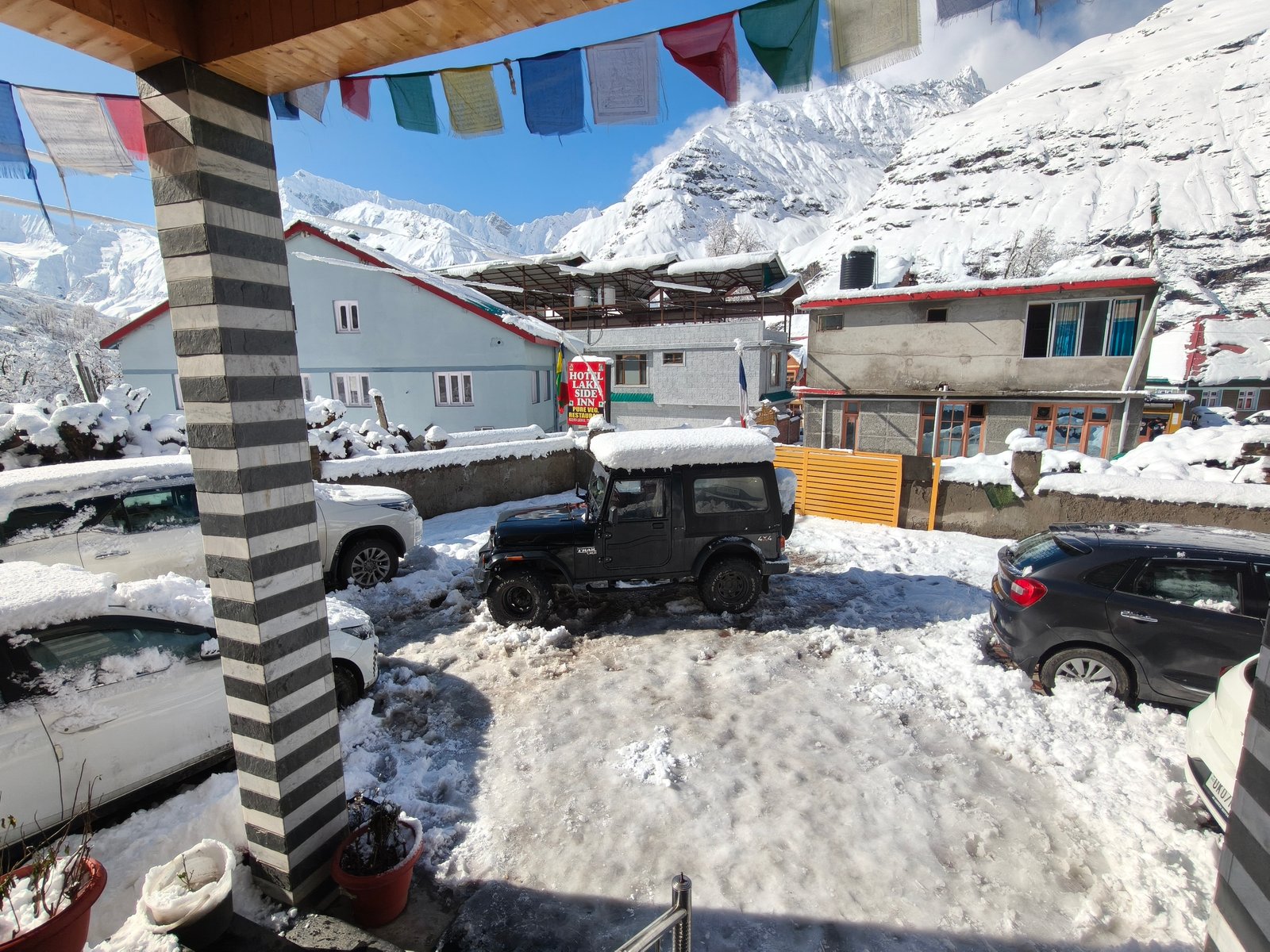
Yes — Sissu is generally accessible year-round thanks to the Atal Tunnel, except for a winter tourism break of roughly 40 days (late Jan–Feb) and occasional snow-clearing closures. Always confirm current status before you travel.
Quick answer: is Sissu open?
For most of the year, the honest answer is simply yes. Sissu sits at about 3,100 m on the floor of the Lahaul valley, roughly 38–40 km from Manali via the Atal Tunnel. That tunnel is the reason Sissu has gone from a place that was cut off all winter to one you can reach in nearly every season. So if you’re asking “is Sissu open right now?”, the default answer is that the road is open and visitors are welcome.
There are really only two situations where access tightens. The first is a winter tourism break — in recent years, roughly late January to the end of February — when local tourist movement can be restricted. The second is fresh heavy snowfall or avalanche risk, which can briefly shut the tunnel or highway for clearing before it reopens. Outside those windows, Sissu is open and easy to reach. Because conditions change day to day, the safest move is always to confirm the current status with someone on the ground before you travel.
Is the road to Sissu open in winter? (Atal Tunnel)
This is the single most common worry, and it’s worth being clear about. The old route to Lahaul ran over the Rohtang Pass, which closed completely under snow for months every winter — that’s where Sissu’s reputation for being “closed” comes from. The Atal Tunnel changed that. By tunnelling beneath the pass, it keeps the Manali–Sissu road open through the cold months, so the valley is no longer sealed off the way it once was.
In practical terms, that means in a normal winter you can still drive from Manali through the tunnel to Sissu in roughly an hour to an hour and a half, even with snow lying in the valley. The tunnel and highway are kept open for transit as a priority, because Lahaul’s residents depend on that link year-round. What can change is what you’re allowed to do once you’re here — during the winter break, movement to certain viewpoints and spots can be limited even when the road itself is open. For the full route details, see our guide on how to reach Sissu.
The winter tourism break explained
Here is the part that causes the most confusion, so we want to be careful and honest about it rather than quote you a rule that isn’t guaranteed. In recent years, the Lahaul valley has had a winter tourism break of roughly 40 days — broadly late January to the end of February. Two things drive it: the local Halda festival, an important winter celebration for the valley’s communities, and the practical reality of heavy snow at that time of year.
What this break does and doesn’t mean matters:
- The Atal Tunnel and highway generally stay open for transit — the valley is not sealed off the way it was in the Rohtang era.
- Tourist movement to viewpoints and spots can be restricted during this window, so a winter trip in this period may look different from one in December.
- The dates are not fixed and vary year to year. They depend on the festival calendar, snowfall and local administrative decisions.
Because of all that, we deliberately don’t publish “official” opening and closing dates as if they were settled law — doing so would risk misleading you. The dates genuinely shift, and the only reliable source is the current, on-the-ground situation. If your trip falls anywhere from late January through February, please message us first so we can tell you exactly what’s happening that year. You can also cross-check timing in our best time to visit Sissu guide.
When snow can briefly close the road
Even outside the winter break, there’s a second, simpler reason Sissu can be temporarily hard to reach: weather. Snowfall typically runs from December through February, and night-time temperatures can fall to around –15°C. When a heavy spell of snow or a raised avalanche risk hits, the authorities may briefly close the tunnel or the highway while crews clear and make it safe.
The important thing to understand is that these are usually short, weather-driven closures, not the road being “shut for the season”. Once the snow is cleared and conditions are judged safe, the road normally reopens. The practical advice that follows from this is the same advice locals give each other: in winter, travel with buffer days built into your plans rather than a tight, fixed schedule. If a clearing closure lands on your travel day, a flexible itinerary turns a problem into a short wait instead of a ruined trip. We can warn you in advance when a big snowfall is forecast so you can adjust.
Best time to come for snow
If snow is the whole reason you’re coming — a white valley, snowball fights, and the famous frozen Sissu waterfall — the sweet spots are late December to early January and again in March. These windows tend to give you proper snow and a fully frozen waterfall while keeping access relatively open, before or after the heart of the winter break.
Late December and early January deliver deep, reliable snow with the fewest tourist restrictions, which is why so many winter visitors aim for exactly then. March is the other quiet gem: the valley floor is starting to shed its snow while the peaks stay brilliantly white, access is improving, and the crowds are thin. By contrast, late January and February — the heart of the break — are the most likely to bring limits on where you can go, even though the scenery is spectacular. Once you’ve picked your window, our guide to things to do in Sissu will help you make the most of the snow.
How to check the live status before you travel
No website — including this one — can promise you the exact road and snow situation on the day you travel, because it changes constantly. What we can do is be your reliable, real-time source. Before you book non-refundable travel or set out from Manali, here’s how to check:
- Message us directly. WhatsApp or call the hotel on +91 82193 15303. We’ll tell you honestly whether the road is open, whether any tourist restrictions are in place, and whether snow is forecast for your dates.
- Tell us your travel dates. If your plans fall in late January or February, give us the specific dates so we can flag the winter break and suggest better alternatives if needed.
- Ask before you commit. A two-minute message before booking flights, buses or non-refundable stays can save you a wasted trip — we’d always rather you ask first.
- Build in buffer days. Especially in winter, a flexible day or two on either side means a short snow-clearing closure won’t derail your whole holiday.
That’s genuinely the best way to know if Sissu is open right now. We answer messages quickly, and because we’re based here in the valley, the information you get is current and honest. You can also reach us through our contact page.
Frequently Asked Questions
Is Sissu open right now?
Most of the year, yes — the Atal Tunnel keeps Sissu accessible from Manali, including through much of winter. The main exceptions are the winter tourism break (roughly late January to the end of February, dates varying year to year) and short, weather-driven closures after heavy snowfall. For the exact situation on your travel dates, WhatsApp us on +91 82193 15303.
Is Sissu open in January or February?
Early-to-mid January is usually open with the fewest restrictions and is one of the best windows for snow. Later January and February can fall within the valley’s winter tourism break (~40 days, tied to the Halda festival and heavy snow), when tourist movement to spots can be restricted — though the highway generally stays open for transit. Because the dates shift each year, please confirm with us before booking.
Does the Atal Tunnel stay open in winter?
Generally yes. The tunnel was built specifically to keep the Manali–Lahaul road open year-round, replacing the old Rohtang Pass route that closed under snow each winter. The tunnel and highway are kept open for transit as a priority. The main caveat is that after heavy snowfall or on raised avalanche risk, it can be briefly closed for clearing and then reopens.
Is Sissu worth visiting in snow?
Very much so. In winter the valley turns white, the lake often freezes, and the Sissu waterfall becomes a frozen column of ice — the most photographed winter sight here. It’s a trip for people who enjoy real cold (nights can reach about –15°C) and come prepared with warm clothing and a flexible schedule. Late December to early January is a particularly rewarding window.
Can the road to Sissu close suddenly?
Yes, briefly. Heavy snowfall or avalanche risk can lead the authorities to close the tunnel or highway temporarily while crews clear it. These are usually short, weather-driven closures rather than a seasonal shutdown, and the road normally reopens once conditions are safe. Travelling with a buffer day or two in winter is the simplest way to stay relaxed about it.
How do I check if Sissu is open?
The most reliable way is to message us directly — WhatsApp or call +91 82193 15303 with your travel dates. We live in Sissu, so we can give you the current road and snow status, flag any tourist restrictions, and suggest better dates if needed. No website can guarantee the live situation, so a quick message before you commit is always worth it.
Planning a winter trip to Sissu?
Message us on WhatsApp for today's road and snow status, and we'll help you plan the right dates.